Why is the Philippines still poor?
왜 필리핀은 여전히 가난한가?
It's a painful question and one many Filipinos have asked for decades.
이것은 수십 년 동안 많은 필리핀 사람들이 스스로에게 던져온 아픈 질문이다.
This country is rich in natural resources.
이 나라는 천연자원이 풍부하다.
It has over 7,000 islands, a young and hardworking population, and strategic access to the sea.
7,000개가 넘는 섬과 젊고 근면한 인구, 그리고 전략적인 해상 접근성을 갖추고 있다.
It's the third largest English-speaking nation in the world.
세계에서 세 번째로 큰 영어 사용국이다.
Filipino workers are in demand globally.
필리핀 노동자는 전 세계적으로 수요가 많다.
And yet, the Philippines ranks among the poorest in Southeast Asia.
그런데도 필리핀은 동남아시아에서 가장 가난한 나라 중 하나다.
So, what's really going on today?
그렇다면 오늘날 정말 무슨 일이 벌어지고 있는 걸까?
We're going beyond the headlines.
우리는 표면적인 뉴스 너머로 들어가 보려 한다.
The truth isn't simple, but it's important because if we don't understand the problem, we can't fix it.
진실은 단순하지 않지만, 문제를 이해하지 못하면 해결도 불가능하기 때문에 중요하다.
Let's start with some surprising facts that will change how you see the country's past and its future.
우선 필리핀의 과거와 미래를 바라보는 시각을 바꿀 놀라운 사실부터 살펴보자.
Did you know that in the early 1960s, one Philippine peso was worth half a US dollar?
1960년대 초, 1필리핀 페소가 미화 0.5달러의 가치를 가졌다는 사실을 아는가?
Yes, you heard that right.
그렇다, 맞게 들은 것이다.
In 1962 under President Diodado Makapagal the exchange rate was just 2 pesos to one US dollar.
1962년 디오다도 마카파갈 대통령 시절, 환율은 1달러당 단지 2페소였다.
Today it is more than 56 pesos per dollar.
오늘날에는 1달러가 56페소가 넘는다.
That decline tells a much bigger story.
그 하락은 훨씬 더 큰 이야기를 담고 있다.
Back then the Philippines had one of the most promising economies in Asia.
당시 필리핀은 아시아에서 가장 유망한 경제를 가진 나라 중 하나였다.
It was even richer than South Korea and China when measured by GDP per capita.
1인당 GDP 기준으로는 한국과 중국보다 부유했다.
Manila was known as the Pearl of the Orient and looked poised to become a global city.
마닐라는 ‘동양의 진주’로 불리며 세계적인 도시가 될 것으로 기대됐다.
So why did that future never arrive?
그렇다면 그 미래는 왜 오지 않았을까?
At the same time, Singapore was a small resource poor island struggling for survival.
같은 시기 싱가포르는 자원이 부족한 작은 섬나라로 생존을 위해 고군분투하고 있었다.
Today, Singapore has the highest GDP per capita in all of Asia at around 91,000.
그러나 오늘날 싱가포르는 아시아에서 1인당 GDP가 약 9만1천 달러로 가장 높다.
The Philippines, by comparison, has less than 5,000.
반면 필리핀은 5천 달러도 되지 않는다.
What caused such a massive gap?
이렇게 큰 격차는 무엇이 만들었을까?
The answer takes us back in history.
그 답은 역사를 되돌아봐야 알 수 있다.
Both the Philippines and Singapore were colonies.
필리핀과 싱가포르 모두 식민지였다.
Singapore was ruled by the British.
싱가포르는 영국의 지배를 받았다.
The Philippines was colonized first by Spain, then the United States, and briefly by Japan during the Second World War.
필리핀은 처음에는 스페인, 이후 미국, 그리고 2차 세계대전 중 잠시 일본의 지배를 받았다.
Colonial rule left deep scars on both countries.
식민 지배는 두 나라 모두에 깊은 상처를 남겼다.
But after gaining independence, both nations had a chance to rebuild and chart their own paths.
그러나 독립 후 두 나라는 재건과 자체적인 길을 설계할 기회를 가졌다.
Singapore became fully independent in 1965.
싱가포르는 1965년에 완전 독립했다.
The Philippines became independent earlier in 1946.
필리핀은 그보다 일찍인 1946년에 독립했다.
So, what went wrong?
그렇다면 무엇이 잘못된 걸까?
While Singapore launched bold reforms under a strict and visionary leader, Lie Kuan Yu, the Philippines fell into a trap that still haunts it today.
싱가포르는 엄격하고 비전 있는 지도자 리콴유 아래 대담한 개혁을 시작했지만, 필리핀은 오늘날까지 괴롭히는 함정에 빠졌다.
Corruption, weak institutions, and political dynasties.
그것은 부패, 약한 제도, 그리고 정치 가문이었다.
These problems prevented the country from realizing its true potential.
이 문제들이 나라가 진정한 잠재력을 실현하지 못하게 했다.
They slowed growth, scared away investors, and limited opportunities for ordinary Filipinos.
그들은 성장을 늦추고 투자자를 내쫓았으며, 서민들의 기회를 제한했다.
The story of why the Philippines remains poor today is deeply connected to these historical challenges and the choices made since independence.
오늘날 필리핀이 여전히 가난한 이유는 이러한 역사적 도전과 독립 이후의 선택과 깊이 연결되어 있다.
While Singapore established the Corrupt Practices Investigation Bureau to tackle corruption headon and enforced accountability at every level of government, the Philippines followed a very different path.
싱가포르는 부패 척결을 위해 부패수사국(CPIB)을 설립하고 모든 정부 단계에서 책임을 철저히 enforced했지만, 필리핀은 매우 다른 길을 걸었다.
In Singapore, public officials were chosen based on merit.
싱가포르에서는 공직자가 능력에 따라 선발됐다.
That means qualifications, track record, and integrity.
즉 자격, 경력, 청렴성을 의미했다.
They were not selected because they were popular, wealthy, or related to someone in power.
인기, 부, 권력자와의 친분 때문에 선발되지 않았다.
A strict vetting system was put in place to ensure that only the most capable and honest individuals could hold public office.
가장 유능하고 정직한 사람만이 공직을 맡을 수 있도록 엄격한 검증 제도가 마련됐다.
Education was prioritized.
교육이 최우선으로 여겨졌다.
Institutions were strengthened.
제도가 강화됐다.
Long-term national planning was the standard, not the exception.
장기적인 국가 계획이 표준이었고 예외가 아니었다.
Now contrast that with the Philippines.
이제 필리핀과 비교해 보자.
In the Philippines, anyone can run for public office regardless of education, professional background, or even a criminal history.
필리핀에서는 학력, 경력, 심지어 범죄 전과와 관계없이 누구나 공직에 출마할 수 있다.
And that is not an exaggeration.
이는 과장이 아니다.
Under Philippine law, candidates are disqualified from running only if they have been convicted by final judgment of specific crimes such as subversion, rebellion, or offenses involving moral turpitude.
필리핀 법에 따르면, 반역·내란·도덕적 타락 범죄와 같은 특정 범죄에 대해 최종 유죄 판결을 받은 경우에만 출마가 금지된다.
The key phrase here is final judgment.
여기서 핵심은 ‘최종 판결’이라는 점이다.
That means even individuals who are currently under investigation or already facing serious criminal charges can still legally run for office and win.
즉 현재 수사 중이거나 중범죄 재판을 받고 있는 사람도 합법적으로 출마해 당선될 수 있다는 뜻이다.
This is based on the principle of innocent until proven guilty, which is a fundamental standard in most democracies.
이는 ‘유죄가 입증될 때까지는 무죄’라는 원칙에 따른 것으로, 대부분의 민주주의 국가에서 기본으로 여겨진다.
So legally speaking, it is understandable.
따라서 법적으로는 이해할 수 있다.
What makes the situation in the Philippines more concerning is that there is often very little political cost to being accused of corruption or other crimes.
그러나 필리핀의 더 큰 문제는 부패나 다른 범죄 혐의를 받아도 정치적 대가가 거의 없다는 점이다.
Public pressure is weak, party screening is often absent, and cases can drag on for years.
여론 압박은 약하고, 정당의 후보 검증은 부실하며, 재판은 수년간 지연될 수 있다.
During that time, many of these individuals remain in power, influence investigations, and even use public office to shield themselves from accountability.
그 기간 동안 많은 이들이 권력을 유지하며 수사에 영향력을 행사하고, 심지어 공직을 방패로 삼아 책임을 피한다
---
What is more, educational attainment is not a requirement.
게다가 학력 요건도 없다.
And while most democracies do not demand a college degree for public office, many countries have stronger informal standards or internal screening systems that help filter out unqualified candidates.
대부분의 민주주의 국가가 공직 출마에 대학 학위를 요구하지는 않지만, 많은 나라에서는 비공식적 기준이나 내부 검증 시스템을 통해 부적격 후보를 걸러낸다.
In the Philippines, those filters are often missing completely.
필리핀에서는 이런 필터가 완전히 없는 경우가 많다.
As a result, elections can turn into popularity contests.
그 결과 선거가 인기 경쟁으로 변질될 수 있다.
Celebrities, athletes, and even convicted criminals have successfully won public office, sometimes by a landslide, because they are famous, wealthy, or members of a well-known political clan.
연예인, 운동선수, 심지어 전과자까지도 유명세, 부, 또는 유명 정치 가문의 일원이라는 이유로 압도적인 표차로 당선되기도 했다.
And that is where the deeper issue lies.
그리고 여기에서 더 깊은 문제가 발생한다.
Over 70% of elected positions in the Philippines are controlled by political dynasties.
필리핀의 선출직 중 70% 이상이 정치 가문에 의해 통제되고 있다.
In some regions, the same family has held power for generations.
일부 지역에서는 동일 가문이 수 세대 동안 권력을 장악해왔다.
Father to son, brother to sister, husband to wife.
아버지에서 아들, 형제에서 자매, 남편에서 아내로 이어진다.
In fact, one political clan in Ilocos has reportedly maintained control for more than 100 years.
실제로 일로코스의 한 정치 가문은 100년 넘게 권력을 유지해온 것으로 알려졌다.
This concentration of power leads to a dangerous cycle.
이러한 권력 집중은 위험한 악순환을 초래한다.
Government becomes less about public service and more about preserving private influence.
정부는 공공 서비스보다 사적 영향력 유지에 더 치중하게 된다.
Infrastructure, education, health care, and anti-poverty programs often take a backseat to maintaining family loyalty and political control.
사회 기반 시설, 교육, 보건, 빈곤 퇴치 프로그램은 종종 가문 충성심과 정치적 통제 유지보다 뒤로 밀린다.
When the same families dominate for decades, accountability disappears, corruption becomes normalized, and progress slows to a crawl.
같은 가문이 수십 년 동안 지배하면 책임성은 사라지고, 부패는 정상화되며, 발전은 매우 더디게 진행된다.
This is not just a political issue. It is an economic one.
이는 단순히 정치 문제가 아니라 경제 문제이기도 하다.
Investors pull back, opportunities dry up, and the nation's development suffers not because it lacks potential, but because the people in charge are often more focused on protecting their own interests than building a better future for the country.
투자자들은 발을 빼고, 기회는 고갈되며, 국가는 잠재력이 없어서가 아니라 지도자들이 국가의 더 나은 미래 건설보다 자신의 이익 보호에 더 관심을 두기 때문에 발전이 저해된다.
Let us be clear, the Philippines has had good leaders, honest, capable, and truly committed to public service.
분명히 하자. 필리핀에도 정직하고 유능하며 진정으로 공공 서비스에 헌신한 훌륭한 지도자들이 있었다.
But too often those leaders are outnumbered, outspent, or overpowered by entrenched political clans and corrupt interest groups that control key institutions.
그러나 그 지도자들은 종종 핵심 기관을 장악한 뿌리 깊은 정치 가문과 부패한 이익 집단에 의해 숫자, 자금, 권력에서 밀려난다.
Corruption in the Philippines is not just a political issue.
필리핀의 부패는 단순한 정치 문제가 아니다.
It is a daily obstacle that affects every part of life.
그것은 삶의 모든 부분에 영향을 미치는 일상적인 장애물이다.
It seeps into infrastructure projects, health care systems, education, law enforcement, and even disaster response.
사회 기반 시설, 의료 시스템, 교육, 치안, 심지어 재난 대응에도 스며든다.
It discourages investors, slows development, and creates an atmosphere of mistrust and instability.
이는 투자자를 낙담시키고, 발전을 늦추며, 불신과 불안정의 분위기를 만든다.
Every year, billions of pesos disappear due to misused funds, overpriced contracts, and shady deals.
매년 수십억 페소가 부당 사용, 부풀린 계약, 음성 거래로 사라진다.
Government officials approve projects that benefit their allies, not the public.
정부 관료들은 대중이 아닌 자신들의 측근에게 이익이 되는 프로젝트를 승인한다.
Basic services are delayed or poorly delivered.
기본 서비스는 지연되거나 형편없이 제공된다.
Roads are left unfinished.
도로는 미완성으로 방치된다.
Medicines go missing.
의약품은 사라진다.
Relief goods are stolen.
구호 물품은 도난당한다.
And the poorest Filipinos are the ones who suffer the most.
그리고 가장 가난한 필리핀 사람들이 가장 큰 고통을 받는다.
When public money disappears, it does not build schools.
공공 자금이 사라지면 학교는 세워지지 않는다.
It does not pay teachers.
교사에게 급여가 지급되지 않는다.
It does not fund roads, bridges, hospitals, or clean water systems.
도로, 다리, 병원, 깨끗한 식수 시스템에 자금이 투입되지 않는다.
It does not support farmers or protect the environment.
농부를 지원하거나 환경을 보호하지 않는다.
The money ends up in the pockets of a few while the majority are left behind.
그 돈은 소수의 주머니로 들어가고 대다수는 뒤처진다.
This leads to a dangerous and repeating cycle.
이는 위험하고 반복되는 악순환으로 이어진다.
Poor governance results in poor services.
나쁜 행정은 나쁜 서비스를 낳는다.
Poor services result in weak education.
나쁜 서비스는 열악한 교육을 초래한다.
And weak education leaves voters more vulnerable to false promises, misleading campaigns, and political manipulation during elections.
열악한 교육은 유권자를 거짓 약속, 기만적 선거운동, 정치적 조작에 더 취약하게 만든다.
---
People who lack access to quality education may struggle to critically assess candidates or policies.
양질의 교육을 받지 못한 사람들은 후보자나 정책을 비판적으로 평가하는 데 어려움을 겪을 수 있다.
They are more likely to vote based on emotion, name recognition, or short-term favors rather than vision, performance, or integrity.
그들은 비전, 성과, 청렴성보다 감정, 이름 인지도, 단기적 혜택에 따라 투표할 가능성이 더 크다.
And so the cycle continues.
그리고 그렇게 악순환은 계속된다.
Corrupt leaders get reelected.
부패한 지도자들이 재선된다.
Public resources are drained.
공공 자원은 고갈된다.
Services remain broken and poverty remains widespread.
서비스는 여전히 무너져 있고 빈곤은 널리 퍼져 있다.
This cycle does not just affect the present, it shapes the future.
이 악순환은 현재에만 영향을 미치는 것이 아니라 미래를 형성한다.
Because when corruption becomes normal and when good leaders are pushed aside, the country loses more than just money.
왜냐하면 부패가 정상화되고 좋은 지도자가 밀려나면, 나라는 돈 이상을 잃기 때문이다.
It loses trust.
신뢰를 잃는다.
It loses momentum and it loses years, sometimes decades of progress.
추진력을 잃고, 때로는 수십 년의 발전을 잃는다.
Let's talk about education.
교육에 대해 이야기해 보자.
If there is one factor that influences every other part of a country's development, it is education.
국가 발전의 모든 부분에 영향을 미치는 요소가 하나 있다면, 그것은 교육이다.
And sadly, in the Philippines, this is one of the weakest links in the system.
안타깝게도 필리핀에서는 이것이 시스템에서 가장 취약한 고리 중 하나다.
According to global education assessments, Filipino students consistently score among the lowest in reading, mathematics, and science out of 81 countries evaluated in the program for international student assessment, also known as PISA.
국제 학업 성취도 평가(PISA)에 따르면, 필리핀 학생들은 81개 평가국 가운데 읽기, 수학, 과학에서 꾸준히 최하위권에 속한다.
The Philippines ranks 77th, performing well below the global average in all categories.
필리핀은 77위로, 모든 영역에서 세계 평균을 크게 밑돈다.
And the problem does not start in high school.
그리고 문제는 고등학교에서 시작되지 않는다.
It begins much earlier.
훨씬 더 이른 시기에 시작된다.
Nearly one in five Filipino children is out of school.
필리핀 아동 다섯 명 중 한 명꼴로 학교에 다니지 않는다.
That means millions of children are growing up without access to even the most basic education.
이는 수백만 명의 아이들이 가장 기본적인 교육조차 받지 못한 채 성장한다는 뜻이다.
Many of those who are enrolled attend overcrowded public schools where classrooms are poorly equipped, books are outdated or missing, and teachers are overworked and underpaid.
학교에 다니는 아이들 중 많은 수가 과밀학급의 공립학교에서 열악한 시설, 오래되었거나 없는 교재, 과중한 업무와 저임금에 시달리는 교사들과 함께 공부한다.
In rural areas, some children have to walk for miles just to reach the nearest school.
농촌 지역에서는 일부 아이들이 가장 가까운 학교에 가기 위해 수 킬로미터를 걸어야 한다.
In many cases, families cannot afford school supplies, transportation or even lunch.
많은 경우 가정에서는 학용품, 교통비, 심지어 점심값도 감당할 수 없다.
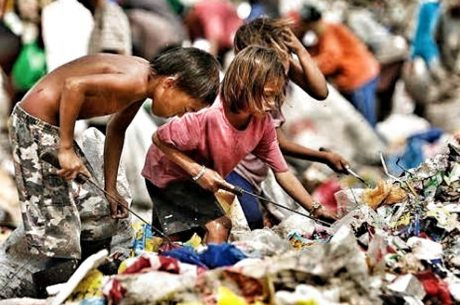
And in urban areas, poverty forces many children to drop out early to help their families survive.
그리고 도시 지역에서는 빈곤 때문에 많은 아이들이 가족 생계를 돕기 위해 일찍 학교를 그만둔다.
The result is a generation of students who struggle to read, write, and think critically.
그 결과 읽기, 쓰기, 비판적 사고에 어려움을 겪는 학생 세대가 생겨난다.
This has long-term consequences, not just for individuals, but for the entire nation.
이는 개인뿐만 아니라 국가 전체에 장기적인 영향을 미친다.
When people cannot evaluate candidates or understand policies, democracy weakens.
사람들이 후보자를 평가하거나 정책을 이해하지 못하면 민주주의는 약화된다.
Voters are more easily swayed by emotional appeals, fake news, or shallow slogans.
유권자들은 감정적 호소, 가짜 뉴스, 피상적인 구호에 더 쉽게 휘둘린다.
Elections become popularity contests, not serious decisions about the future.
선거는 미래에 대한 진지한 결정이 아니라 인기 경쟁이 된다.
And without an educated public, corrupt leaders remain in power.
그리고 교육받은 대중이 없으면 부패한 지도자들이 권력을 유지한다.
Bad governance becomes normal and national progress is held back.
나쁜 행정은 정상화되고 국가 발전은 지체된다.
If we want better leaders, we need better education.
더 나은 지도자를 원한다면, 더 나은 교육이 필요하다.
It is not just about building more schools.
이는 단순히 학교를 더 짓는 문제만이 아니다.
It is about improving the quality of learning.
학습의 질을 향상시키는 문제다.
That means investing in teacher training, updating the curriculum, and giving students the tools to succeed in a modern world.
이는 교사 훈련에 투자하고, 교육과정을 갱신하며, 학생들에게 현대 사회에서 성공할 수 있는 도구를 제공하는 것을 의미한다.
This is exactly what many successful countries have done.
이것이 바로 많은 성공한 국가들이 해온 일이다.
Singapore and South Korea made education their number one priority.
싱가포르와 한국은 교육을 국가 최우선 과제로 삼았다.
They treated teachers as professionals.
그들은 교사를 전문가로 대우했다.
They raised academic standards and most importantly, they made sure every child had a real chance to learn, no matter their background.
그들은 학업 기준을 높였고, 무엇보다 배경에 상관없이 모든 아이가 진정으로 배울 기회를 보장했다.
Those investments paid off.
그 투자는 결실을 맺었다.
Today, those countries have strong economies, low corruption, and informed citizens who hold their leaders accountable.
오늘날 그 나라들은 강한 경제, 낮은 부패, 지도자에게 책임을 묻는 깨어있는 시민을 갖고 있다.
If the Philippines wants to break the cycle of poverty and poor leadership, it must begin with education.
필리핀이 빈곤과 나쁜 지도자의 악순환을 끊으려면 교육부터 시작해야 한다.
Because education is not just about getting a job, it is about building a society that knows how to think, how to question, and how to choose wisely.
교육은 단지 일자리를 얻는 것이 아니라, 생각하고, 질문하고, 현명하게 선택할 줄 아는 사회를 만드는 것이기 때문이다.
---
--
The Philippines has everything it needs to succeed on paper.
필리핀은 서류상으로는 성공에 필요한 모든 것을 갖추고 있다.
It is rich in natural resources.
이 나라는 천연자원이 풍부하다.
The country has vast deposits of gold, copper, nickel, and other valuable minerals that are in high demand across the globe.
이 나라는 전 세계적으로 수요가 높은 금, 구리, 니켈 등 귀중한 광물을 대량으로 보유하고 있다.
Its agricultural land is fertile.
농지가 비옥하다.
Its forests, mountains, and marine biodiversity are among the richest in the world, and its beautiful beaches, islands, and tropical climate attract millions of tourists every year.
숲, 산, 해양 생물 다양성은 세계 최고 수준이며, 아름다운 해변과 섬, 열대 기후는 매년 수백만 명의 관광객을 끌어들인다.
It also has something more powerful than minerals or beaches.
또한 광물이나 해변보다 더 강력한 자산이 있다.
A young and dynamic labor force.
젊고 역동적인 노동력이다.
The median age of Filipinos is just 25.
필리핀인의 중위 연령은 불과 25세다.
That means the country has a large working age population full of potential.
이는 잠재력이 큰 노동 가능 인구가 많다는 뜻이다.
And on top of that, the Philippines has one of the largest overseas workforces in the world.
게다가 필리핀은 세계에서 가장 큰 해외 노동 인력을 보유한 나라 중 하나다.
Every year, overseas Filipino workers send back tens of billions of pesos in remittances, keeping families afloat and supporting the local economy.
매년 해외 필리핀 노동자들은 수백억 페소의 송금을 보내 가족의 생계를 유지하고 지역 경제를 뒷받침한다.
But here is the truth. Natural resources alone do not make a country rich.
그러나 진실은 이렇다. 천연자원만으로는 나라를 부유하게 만들 수 없다.
There are many countries that are blessed with minerals, oil, or land, but are still poor.
광물, 석유, 토지 등 자원이 풍부해도 여전히 가난한 나라는 많다.
Because without good governance, even the best resources go to waste.
좋은 거버넌스가 없으면 최고의 자원도 낭비되기 때문이다.
Corruption and mismanagement turn opportunity into loss.
부패와 관리 부실은 기회를 손실로 바꾼다.
Poor infrastructure, red tape, and unstable policies drive foreign investors away.
열악한 인프라, 관료주의, 불안정한 정책은 해외 투자자를 내쫓는다.
Local businesses struggle to grow.
국내 기업은 성장에 어려움을 겪는다.
Job creation slows and instead of moving forward, the economy gets stuck.
일자리 창출이 둔화되고, 경제는 앞으로 나아가지 못한 채 정체된다.
You cannot build a strong nation on raw materials alone.
원자재만으로는 강한 나라를 만들 수 없다.
You need leadership that knows how to use those resources wisely, transparently, and sustainably.
그 자원을 현명하고 투명하며 지속가능하게 활용할 줄 아는 리더십이 필요하다.
You need institutions that support innovation, protect property rights, and reward hard work, not just connections or political loyalty.
혁신을 지원하고, 재산권을 보호하며, 인맥이나 정치적 충성심이 아니라 노력에 보상하는 제도가 필요하다.
You need policies that create value from what the country has, not just extract it and export it with little benefit to local communities.
지역사회에 거의 이익이 없는 단순한 채굴·수출이 아니라, 자원에서 가치를 창출하는 정책이 필요하다.
Because prosperity does not come from what a country has.
왜냐하면 번영은 나라가 무엇을 ‘가지고 있는가’에서 오지 않기 때문이다.
It comes from what a country does with what it has.
그것은 나라가 가진 것을 어떻게 ‘활용하는가’에서 온다.
And right now, the Philippines is not doing enough.
그리고 현재 필리핀은 충분히 그렇게 하지 못하고 있다.
Too many opportunities are lost to inefficiency and self-interest.
너무 많은 기회가 비효율과 사익에 의해 사라지고 있다.
Too many projects are abandoned, underfunded, or corrupted before they can bring real change.
너무 많은 프로젝트가 실질적인 변화를 이루기 전에 중단되거나, 자금이 부족하거나, 부패로 무너진다.
The country has the ingredients for success.
이 나라는 성공의 재료를 가지고 있다.
But without good governance, those ingredients will never reach their full potential.
그러나 좋은 거버넌스 없이는 그 재료가 잠재력을 발휘하지 못한다.
Let's summarize the hard truth.
쓰디쓴 진실을 요약해 보자.
The Philippines is still poor, not because it lacks potential, but because it lacks consistent, honest, and visionary leadership.
필리핀이 여전히 가난한 이유는 잠재력이 없어서가 아니라, 일관되고 정직하며 비전 있는 리더십이 부족하기 때문이다.
It's held back by widespread corruption, political dynasties, a weak educational system, and a public that is often misled by fame instead of merit.
광범위한 부패, 정치 세습, 취약한 교육 제도, 그리고 실력보다 명성에 쉽게 현혹되는 대중이 발전을 가로막고 있다.
But here's the hope.
그러나 희망이 있다.
Change is possible.
변화는 가능하다.
Countries like Singapore and South Korea prove that radical transformation can happen within a generation if the people demand it and if leaders deliver.
싱가포르와 한국 같은 나라들은 국민이 요구하고 지도자가 실천하면 한 세대 안에 급격한 변화가 가능하다는 것을 증명한다.
It starts with education, with awareness, with choosing leaders who serve, not steal.
그것은 교육, 인식, 그리고 훔치지 않고 봉사하는 지도자를 선택하는 것에서 시작된다.
And ultimately, it starts with every Filipino asking a hard question.
그리고 궁극적으로는 모든 필리핀인이 어려운 질문을 던지는 것에서 시작된다.
What kind of future do we want?
우리는 어떤 미래를 원하는가?
And who do we trust to lead us there?
그리고 그 미래로 우리를 이끌 사람으로 누구를 신뢰하는가?
The Philippines is not destined to stay poor.
필리핀은 가난한 상태로 남도록 운명지어지지 않았다.
But destiny will not change without effort.
그러나 노력 없이는 운명도 변하지 않는다.
The country has the tools.
이 나라는 도구를 가지고 있다.
The people have the talent.
국민은 재능을 가지고 있다.
The only missing ingredient is the will to choose leaders who can unlock that potential.
유일하게 부족한 것은 그 잠재력을 펼칠 수 있는 지도자를 선택하려는 의지다.
So the next time someone asks, "Why is the Philippines still poor?"
그러니 다음에 누군가 “왜 필리핀은 여전히 가난한가?”라고 묻는다면,
Do not just blame the system.
단순히 제도만 탓하지 말라.
Challenge it.
그것에 도전하라.
Because change begins with truth.
변화는 진실에서 시작되기 때문이다.
And truth begins with people who care enough to ask the hard questions.
그리고 진실은 어려운 질문을 할 만큼 관심을 가진 사람들로부터 시작된다.
Thank you for watching.
시청해 주셔서 감사합니다.
If you like this video, please like and subscribe for more videos like this one.
이 영상을 마음에 드셨다면, 좋아요와 구독을 눌러 더 많은 영상을 받아보시기 바랍니다.
And if you are curious about how much people in the Philippines earn, watch this video next.
필리핀 사람들의 소득이 궁금하다면 다음 영상을 시청하세요.
See you in the next one. Bye for now.
다음 영상에서 뵙겠습니다. 안녕히 계세요.
---
https://youtu.be/QXBLYQJW2oo?si=YxXV1x0q7DNHl--h
'사는 이야기' 카테고리의 다른 글
| 공개된 나라살림, 깨어나는 국민 (0) | 2025.08.13 |
|---|---|
| "이걸 왜 다들 몰랐지?" 조국 재판의 이면 (4) | 2025.08.12 |
| 더 깊이 읽는 K-pop 골든(Golden) (10) | 2025.08.10 |
| 불교가 우리에게 던지는 메시지 (5) | 2025.08.05 |
| 기독교 도덕성 vs 불교 도덕성 비교 (3) | 2025.08.05 |


